What no one can tell you about relocating overseas
Fifteen cases, three children, a twenty hour journey, going to a country I had previously lived in, working remotely and with great friends still there - sounds relatively straightforward. Take it from someone who has done this multiple times, relocating overseas is never what you expect.
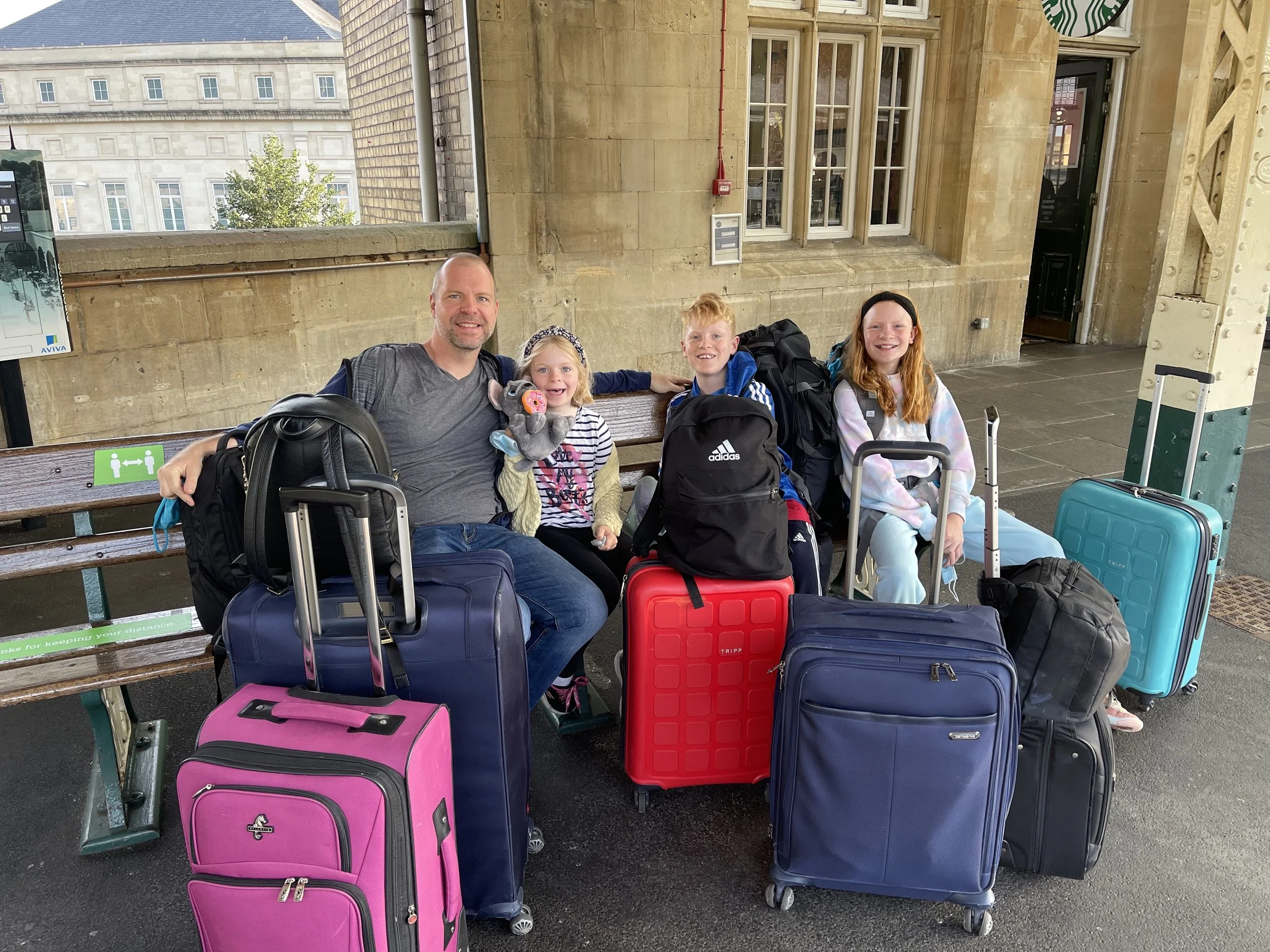
Destination Curacao. Duration…no idea
In my twenties, I'd been ready to leave London so I moved overseas to Curacao. Years later, I had the chance to go back with my children, so I took it. Both times I moved back to Bath with my family. So with 4 overseas relocations, I’ve got some hard earned experience to share.
The necessary and somewhat boring admin is a lot and complicated. If you’re relocating for work, the chances are there will be someone on the ground at either end to help with Visas, logistics and the move from an employment perspective. There’s a lot to learn, especially with children - you need to think about schools, which language you want your children to learn in, transport, childcare, sports and hobbies when considering neighbourhoods and houses.
When I relocated to Curacao, I didn’t know exactly how long we needed to stay. It was likely going to be less than a year and rental agreements wanted a 12-month minimum. So I had to trawl the short term market trying to negotiate directly with property owners for a 6-month rate. That was probably the most time consuming task when combined with all the other property considerations. In the end I found a great home in a neighbourhood I liked, but I had to use Airbnb and definitely overpaid for low hassle. We were able to move straight in with our 15 cases, flexible end dates and functioning internet from day 1, which given I also needed to work from home and have time to settle the children, was worth paying for.
However, it turned out the people staying in the property before us had apparently partied too hard and so the owners needed a few days fixing it up before we moved in. At this point I was missing my dog, cats and parents and was feeling guilty about leaving them behind, so really didn’t know if we had made the right decision.
I chose the International School for the children, mostly so that they would study the International Baccalaureate curriculum, which meant that I knew that no matter what happened next their studies would be relevant. My experience of that school system was really positive. They are used to students from military families who move around a lot so the school had a slightly different approach to education than we were used to in the UK, given they knew they only had the students for a short time. Their mission was to give the children all the skills they could so that they would be prepared for their next life adventure as global citizens. They focussed on culture, community, taking care of people and the surrounding environment, and spent a lot of time on attitudes and behaviour as well as academics. The multicultural classroom was invaluable for my children - being the minority as the white children in the class will have done more for their education than academics they could learn anywhere.
The school bus was a brilliant service, I wish we had these in the UK. The bus dropped the children back to my front door every day after school and the story of the frog on the school bus landing on an unsuspecting boy’s leg entertained friends for years!
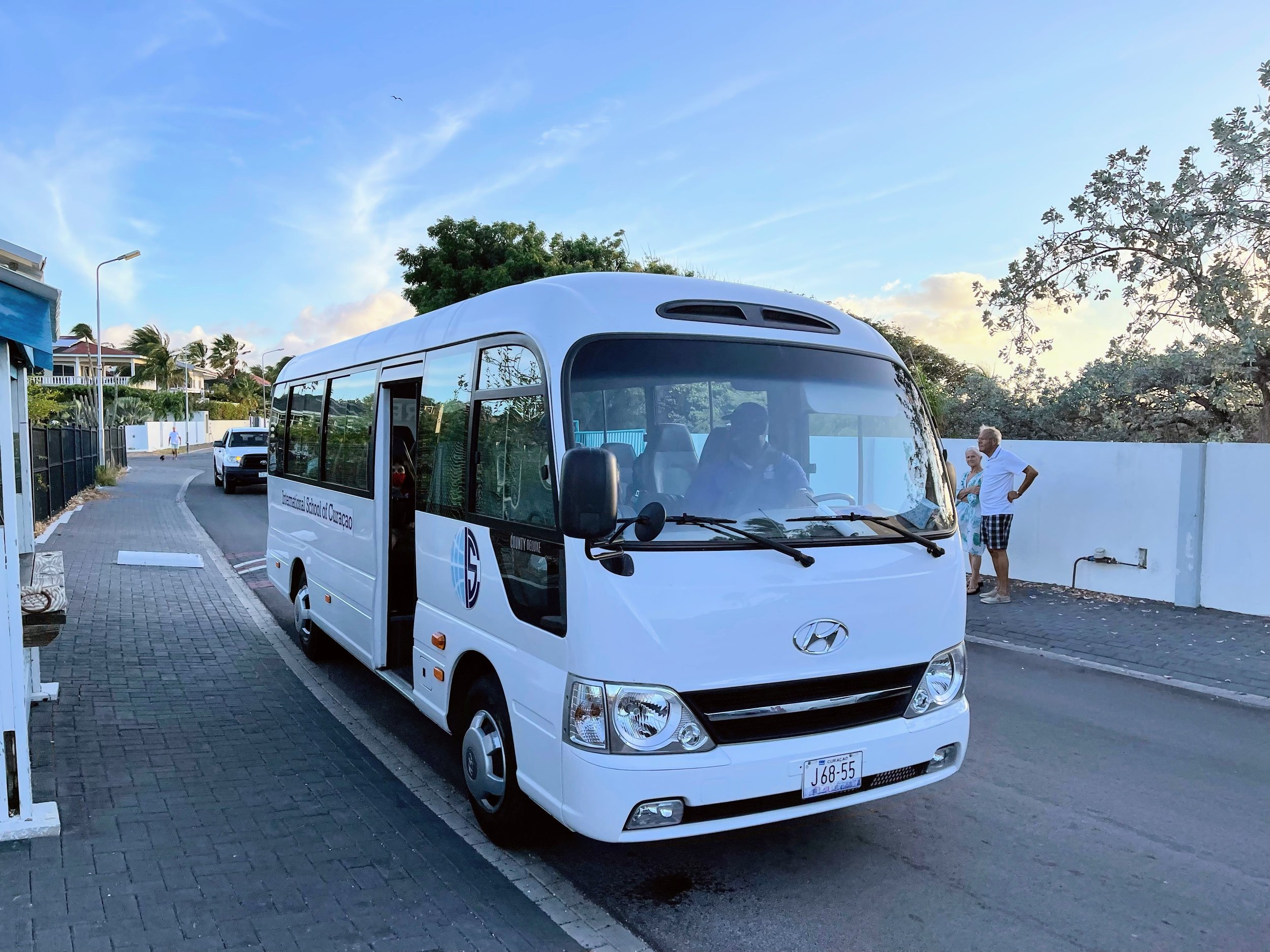
International School Bus
Spanish was particularly fun since most of the students were fluent in the language whilst mine spoke barely any. Best way to learn. Obviously they picked it up fast, unlike me - parents’ evenings were particularly humbling. I received one video of my youngest who was 5 at the time and I honestly thought the teacher had sent me another child by mistake, her voice and accent had completely changed in just over one month.
Outside of school, clubs included wind surfing, rugby on the beach and tennis at the club where Jean-Julien Rojer grew up playing — we have since seen him playing doubles at Wimbledon
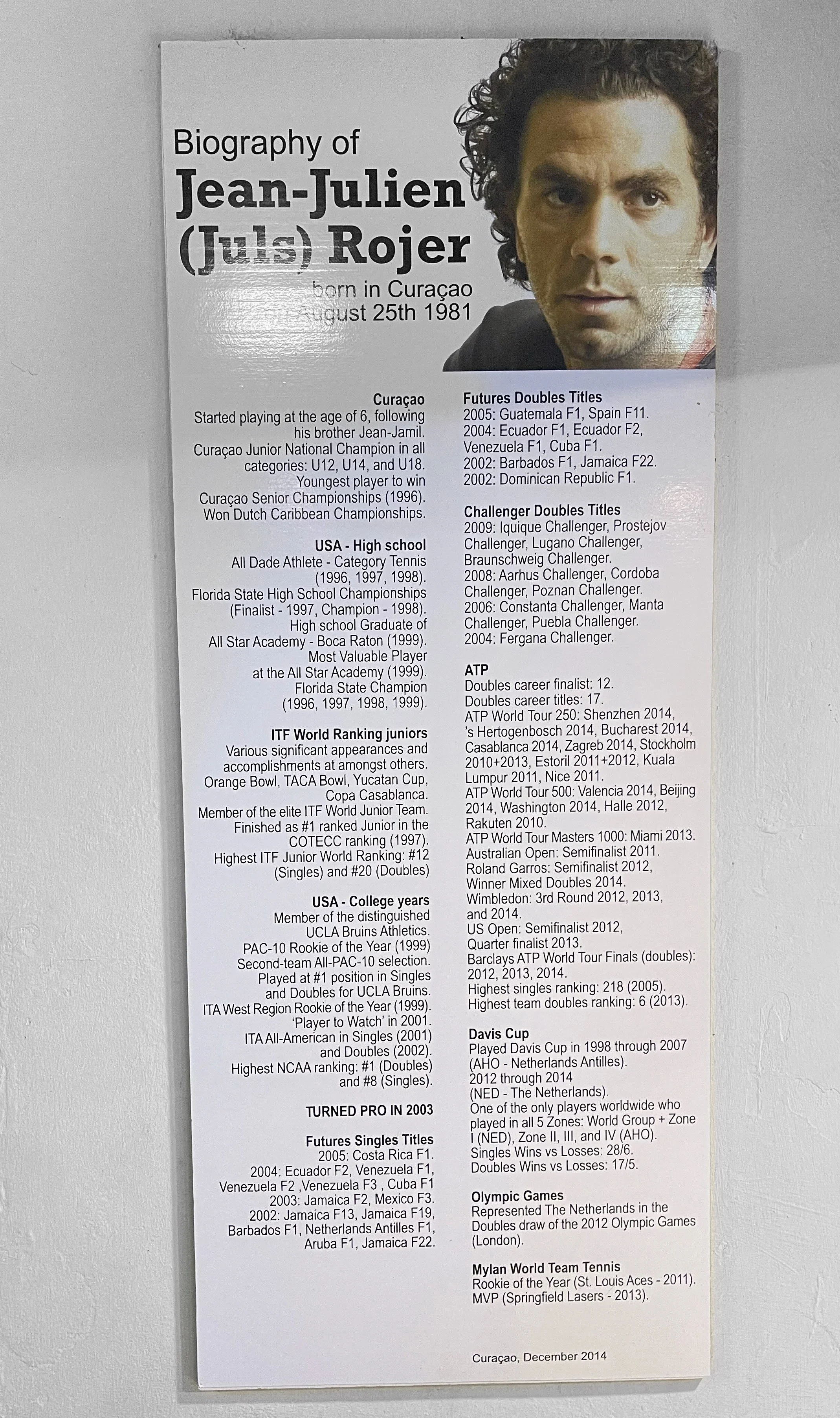
Tennis club, Curacao
What’s lovely about living in a new country is that you learn all these tiny details that you might hear about as a tourist, but never experience. For example, the Divi Divi tree, which always points in the same direction across the island because the wind always blows that same way - once you see one you can’t stop seeing them, they’re on the beach, on the side of the street, in gardens, everywhere. You might learn about the Tumba, the traditional folk music and dance of Curaçao, deeply rooted in African heritage although the name comes from a 17th century Spanish dance and is heavily influenced by merengue, jazz and other Afro-Caribbean beats. Hearing and being part of a Tumba is something else. It’s loud, the energy is so high, the performers are so happy and so immersed in their craft, the beats are so beautiful, you would never believe how mesmerising it is unless you experience one.
The other bonus with my situation was that I was living in GMT-5 but working mostly in GMT, and that time zone difference really worked in my favour. I had always worked internationally so didn’t think much of it before I moved, but the impact was profound. I started my work day at 7am after the school bus came, worked solidly until about 2pm then had the afternoon to split between the children and whatever work I hadn’t finished. Some days I needed to carry on working but others we went to the beach and hung out with friends. I really treasure the extra time I was able to spend with the children, enjoying their company, hearing all their fun school stories and all the differences they constantly noted between there and life at home, picking out the positives from both. I also got a little time back for myself, I swam most days and got out in the sunshine, topping up my vitamin D. A dreamy balance.
I learned so much about what work-life balance actually means during that time, and realised how much happiness and fulfilment I had been masking for years just by being busy. My business had been demanding, and the UK version of my life would probably have ground on indefinitely. I'd been burning out for years — colleagues and family told me I needed a break, but I couldn't figure out how to take one. The business needed me and so did my family.
I knew the relocation was going to be life changing at the time but I didn’t have a clue how. Six months in a different time zone, with afternoons free for swimming and my children, gave me space. I was having an identity crisis at the time trying to spin all the plates, although I didn't have the time or language to understand it. The experience saved me in so many ways — gave me time to think about what I actually wanted from work and life, and to reflect on years of pent-up stress and frustration.
You can never know what a relocation has in store. My experience this time was vastly different to the first. The first time I was young, child free and knew there was more in the world for me to explore outside of London. I lapped it all up, said yes to everything that came my way - an MBA, a new digital career in the rapidly emerging online world of the 2000’s and lifelong friends were never on my list of expectations from going to live on the beach for a while. I ended up staying there for 6 years.
You can’t get any of this insight from relocation companies, employers or legal entities taking care of Visas. The experiences you gain are not even close to what you might plan for or expect. Lived experience really matters, seeking blogs and IG accounts from other ex-pats is incredibly helpful, but every person will get something different even when the experience is the same on paper. The first time I relocated was 2004 when the world was such a different place. I had to go to internet cafes to send emails back home and smart phones didn’t exist, so I rarely shared photos. Relocation has become much more mainstream now with nomad visas and remote working, the opportunities are endless in ways we can’t even imagine.
Maybe this all sounds alien, maybe it sounds daunting, or maybe it sounds utterly thrilling. I’m sure I have at least one more relocation in me, maybe when my children have all left home. I don't know yet what my next relocation will give me, but I know it won't be what I expect — and that's why I'll do it.